Waterproofing that lasts ten years in Europe can fail in three across the UAE. Surface temperatures on a Umm Al Quwain rooftop routinely climb past 70°C in July, humidity hovers near saturation for months, and coastal sites add salt-laden air into the mix. If a waterproofing system was not selected with this climate in mind, the failure shows up early — as blistering, cracking, or delamination — and by then the repair costs far more than choosing correctly the first time.
Why UAE’s Climate Is Uniquely Hard on Waterproofing
Three forces work against membranes and coatings here. Intense UV exposure breaks down polymer chains faster than in temperate climates, shortening the usable life of unprotected coatings. Extreme daily thermal cycling — hot days, cooler nights — causes expansion and contraction that stresses joints and laps. And in coastal locations, airborne salt accelerates corrosion of embedded steel once any waterproofing breach lets moisture through. A system rated for a milder climate will degrade faster here regardless of how well it was installed.
Bituminous, Acrylic, or Cementitious: Matching the System to the Job
There is no single best waterproofing product — the right choice depends on the substrate, exposure, and how the structure moves.
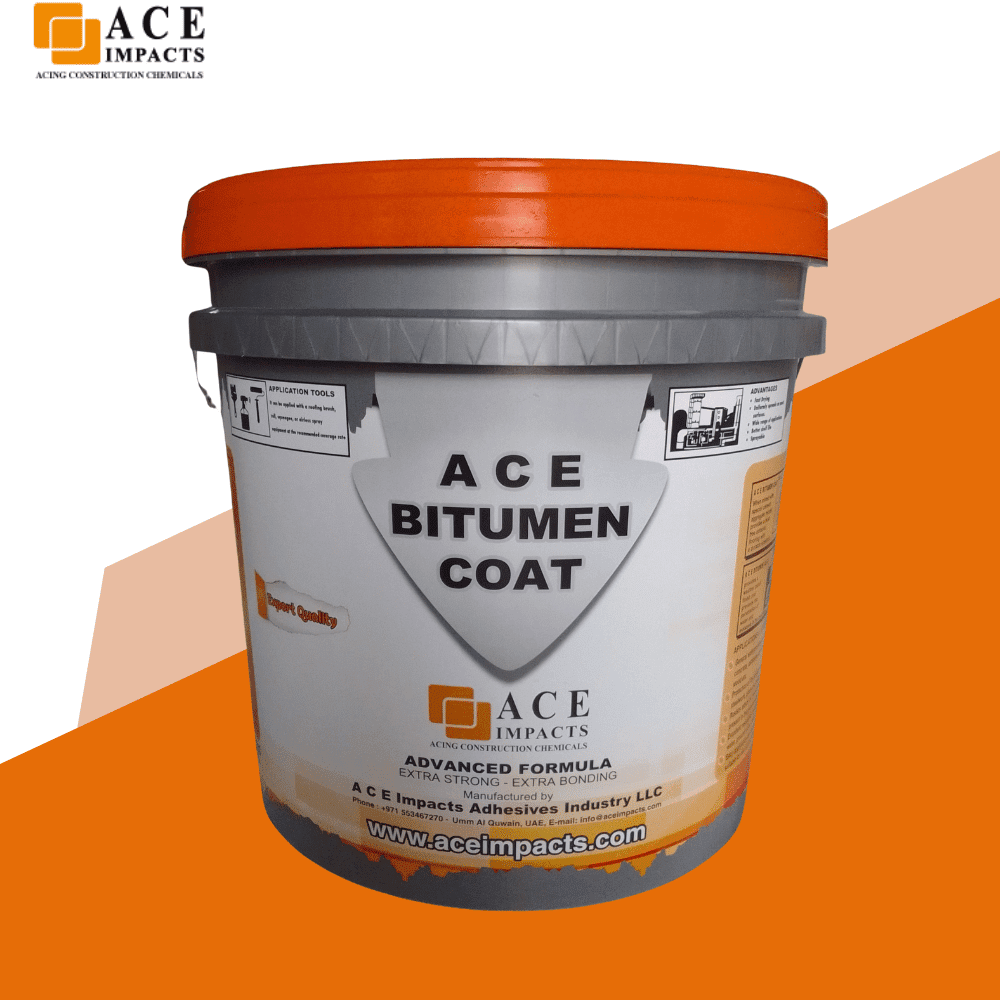
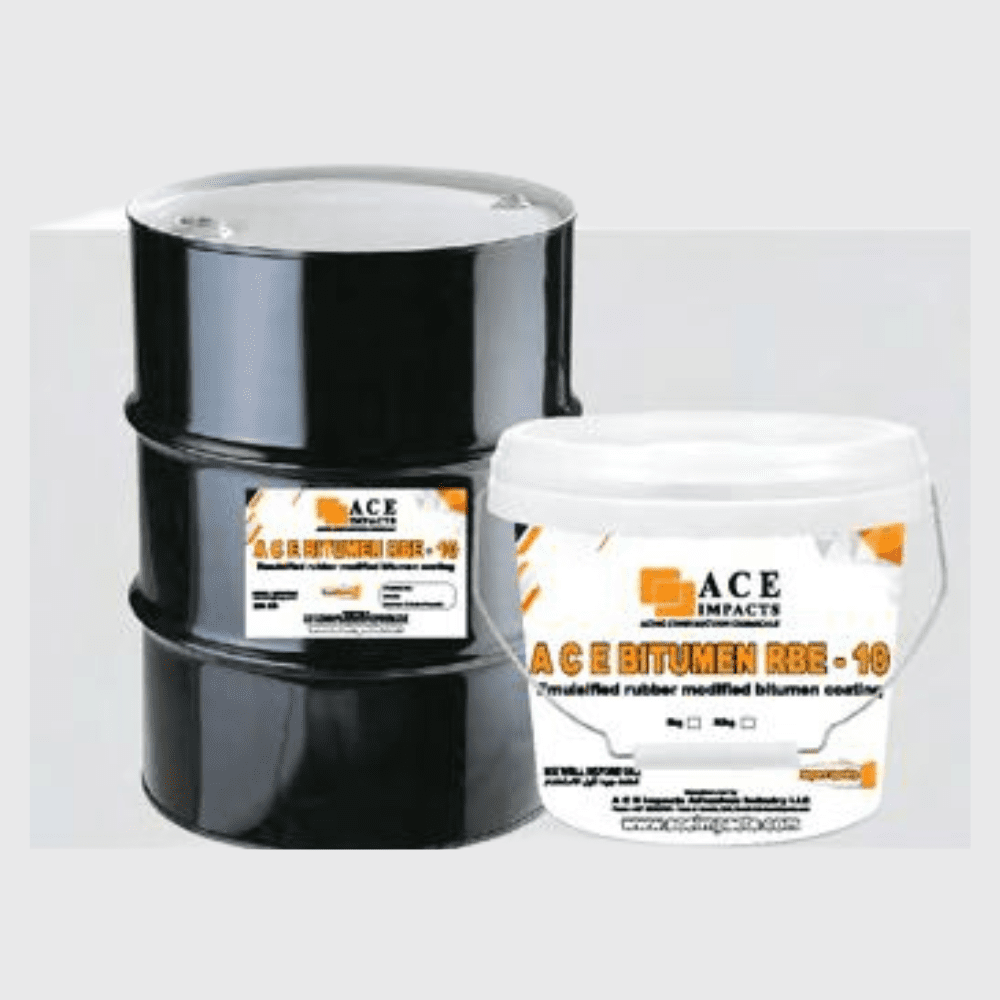
- Bituminous coatings (such as ACE Bitumen RBE and ACE Bitumen SB) suit below-grade foundations, retaining walls, and roofs needing a seamless, flexible membrane with strong water resistance.
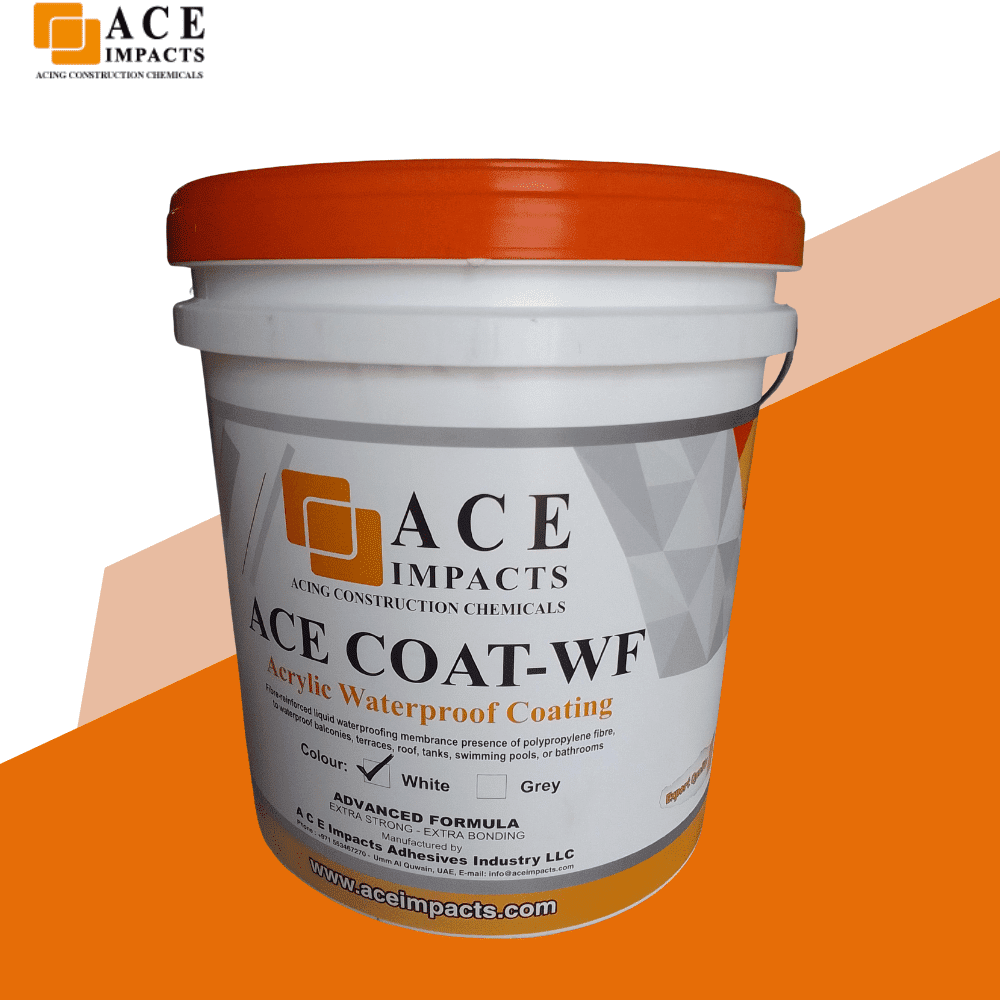
- Acrylic coatings (such as ACE Coat-WF) work well on exposed rooftops and terraces where UV resistance and reflectivity matter, and where the surface needs to remain walkable.
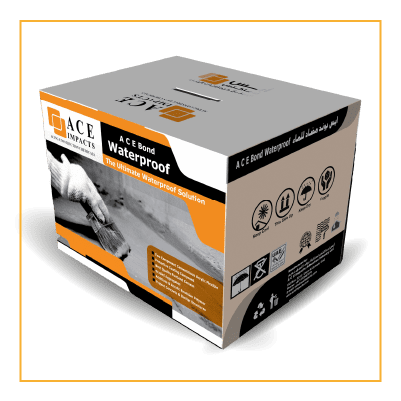
- Cementitious systems (such as ACE Bond and ACE PVA Primer as a bonding base) are suited to water tanks, wet areas, and podium decks where a rigid, chemically compatible bond to concrete is required.
Common Mistakes That Cut Waterproofing Life Short
- Skipping or under-specifying the primer, so the coating never fully bonds to the substrate.
- Applying coatings during peak midday heat, which causes skinning and traps solvent or moisture underneath.
- Ignoring movement joints and details around penetrations, which is where most leaks actually start.
- Choosing a product on price alone without checking it is rated for exterior UV and thermal exposure.
A Practical Checklist Before You Start
- Confirm the substrate condition — moisture content, cracks, and surface laitance — before any product is applied.
- Match the primer to both the substrate and the top coat.
- Schedule application for early morning or evening to avoid peak surface temperatures.
- Detail all joints, corners, and penetrations separately before the main coating goes down.
- Ask the manufacturer for the product’s UV and immersion rating, not just its general description.
Waterproofing Coating Calculator
Get a rough estimate of how much coating you’ll need. Figures are typical industry coverage rates — confirm exact quantities for your chosen product with our team.
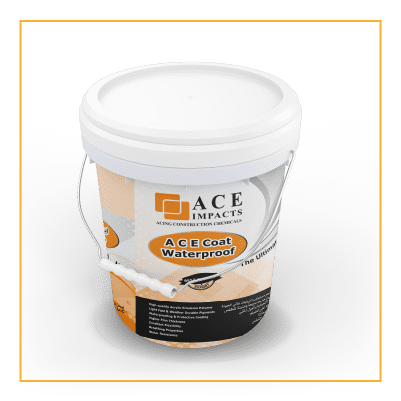
Ace Impacts formulates its waterproofing range specifically for Gulf conditions, from bituminous and acrylic coatings to cementitious bonding agents. If you’re specifying a system for a project in the UAE and want a recommendation based on substrate and exposure, request a quote from our team or browse the full range in our product catalogue.